Food diary nutrition values: making sense of portions and sources
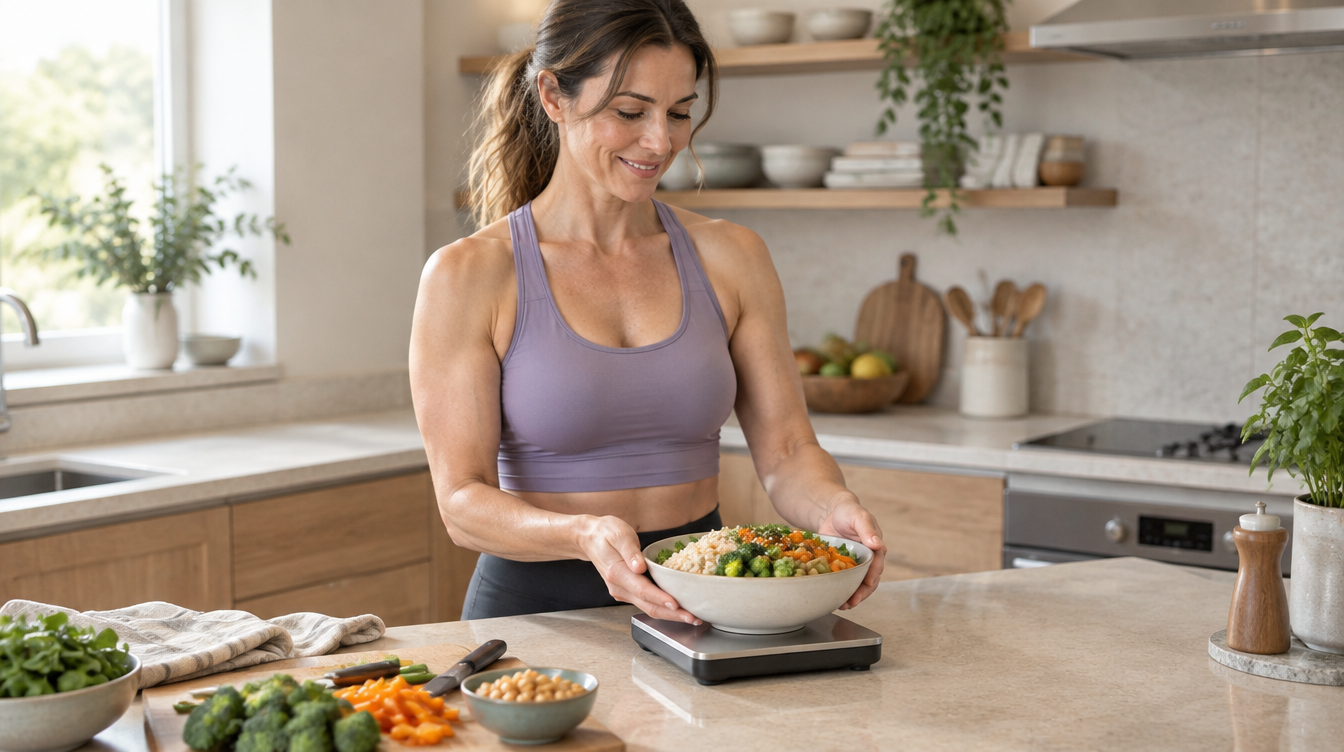
You search for a food and find several plausible entries with different calories and macros. Which one matches your meal? The useful questions are about the product, reference amount and preparation state, not the number of decimal places.
1. Check the product first
For packaged foods, compare the database entry with the package: product name, variety and nutrition table. Similar names do not guarantee the same ingredients or values. A barcode match is a starting point to check, not a guarantee of an up-to-date record.
2. Separate 100 grams from a serving
Values per 100 grams are not the same as the amount on your plate. Check whether an entry refers to 100 grams, one serving or one item. Then enter the amount you actually used. For entries such as “one piece”, check the associated weight.
3. Match raw and prepared weights
An entry for dry rice does not directly match a weighed serving of cooked rice. Cooking changes the water content and therefore the reference amount. Choose an entry whose preparation state matches your quantity. If that is not possible, treat the amount as an estimate rather than implying precision.
4. Include the components you want to record
Oil, dressing, drinks and other separately added ingredients belong in your entry if you want to document them. For a mixed meal, recording components separately may be easier to check than choosing a generic database entry for the entire dish.
5. Keep estimates in perspective
For a restaurant meal, you often do not have the recipe or quantities. A plausible estimate is not a measurement. A photo estimate can also misidentify ingredients and portion sizes. Check suggestions before accepting them. A single number does not assess the quality of your diet or your health.
Your short checklist
- Is this the correct product variety?
- What reference amount does the entry use?
- Does raw or prepared match the amount you weighed?
- Have you recorded the components you intended to include?
- Which values are estimates?
Using The 8 Protocol
The 8 Protocol includes food search, barcode entry and quick entry for values you already know. The food diary and data export are available without a subscription. If you want to review your entries regularly, weekly and monthly recaps are part of the optional The 8 Protocol+ subscription. The optional photo estimate is also a Plus feature and requires you to check its suggestions.
View The 8 Protocol on the App Store. Decide in the app whether Plus fits your routine. The prices and terms that apply to you are shown before you subscribe.
General information about recording food. Not individual dietary or medical advice.
Sources and context
Open Food Facts: food data source identified in the public app description.
The 8 Protocol on the App Store: source for the listed app features, not an independent functional test.
This guide explains data entry and interpretation, not medical effects. It does not prescribe calorie, protein or fasting targets.